
How to Invest When There Is Noise
Why market chaos is not accidental: 5 ways to invest and 4 pillars to follow to build your lifetime portfolio

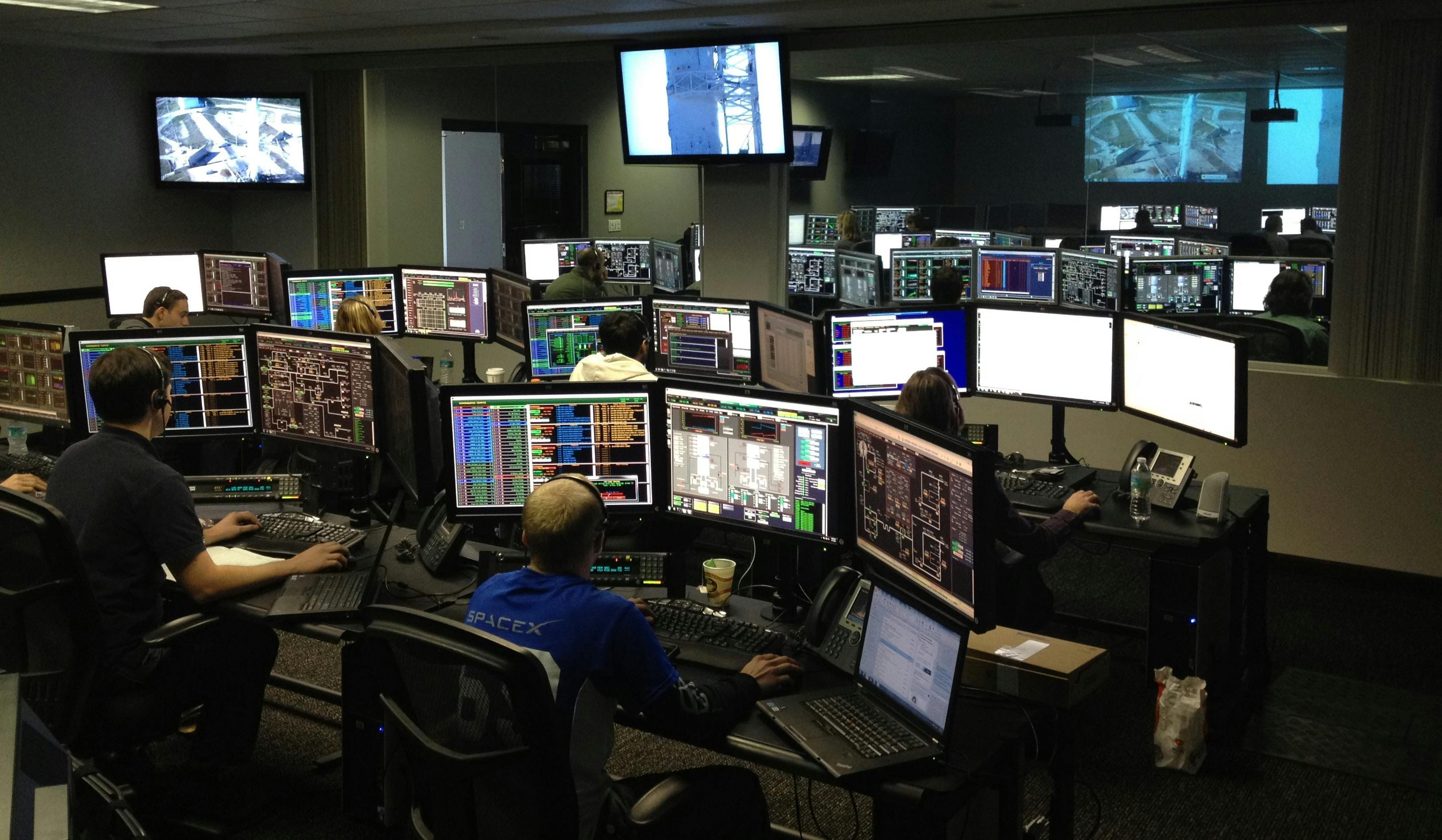
Investing today is perceived as a complex exercise, often unnecessarily complicated, not so much because of nature of the markets as because of narrative superstructure has built up over the years around the concept of investment. Anyone who tries to approach this world immediately finds themselves immersed in a continuous flow of messages, proposals and seemingly definitive solutions promise to solve problems that, in most cases, have never really been understood at their root.
The daily blinding lights of financial advertising, sensationalist articles, innovative strategies and ever-new products has produced a paradoxical effect. The average investor no longer feels completely ignorant, but neither does he feel truly informed: he moves in a gray area made up of partial information, fragile convictions and decisions made more by accumulation than by choice. In this context, complexity is no longer the result of in-depth analysis, but becomes a value in itself, almost a necessary condition for attributing authority to any proposal.

Financial language has gradually moved away from the original function of investment, which is not to amaze or impress, but to accompany people throughout their lives. When noise increases, the ability to distinguish between what is essential and what is incidental is reduced and the greatest risk is not choosing the wrong instrument, but completely losing sight of why you investing. The idea has become widespread that a good portfolio must necessarily be complex, layered and rich in instruments. Ten, fifteen, or twenty assets are often presented as synonymous with diversification, as if quantity were in itself a guarantee of solidity. In reality, in most cases, abundance is the result of a lack of synthesis, not of greater depth of analysis.
Many portfolios are created by next additions: a product is included because it was missing, another because it covered a risk, it could be useful in the future and another yet to follow the trend of the moment. Rarely does anyone stop to ask whether each individual element really has a distinct and necessary function within the whole. The result is a redundant, often incoherent structure that gives the illusion of control but makes the portfolio difficult to understand and even more difficult to manage over time.
The central point, which is almost always overlooked, is that investment doesn’t originate from the markets: investing means making decisions will have effects over time and time is not a neutral variable. It is personal, subjective, linked to the life of each of us. Reducing investment to a sequence of technical choices means forgetting that behind every portfolio there is a person, not a theoretical model.
Investire oggi viene percepito come un esercizio complesso, spesso inutilmente complicato, non tanto per la natura dei mercati finanziari quanto per la sovrastruttura narrativa che negli anni si è costruita attorno al concetto stesso di investimento. Chiunque provi ad avvicinarsi a questo mondo si trova immediatamente immerso in un flusso continuo di messaggi, proposte, soluzioni apparentemente definitive che promettono di risolvere problemi che, nella maggior parte dei casi, non sono mai stati davvero compresi alla radice.
Le accecanti luci quotidiane di pubblicità finanziarie, articoli sensazionalistici, strategie innovative e prodotti sempre nuovi, ha prodotto un effetto paradossale. L’investitore medio non si sente più completamente ignorante, ma nemmeno realmente consapevole: si muove in una zona grigia fatta di informazioni parziali, convinzioni fragili e decisioni prese più per accumulo che per scelta. In questo contesto, la complessità non è più il risultato di un’analisi profonda, ma diventa essa stessa un valore, quasi una condizione necessaria per attribuire autorevolezza a qualsiasi proposta.
Il linguaggio finanziario si è progressivamente allontanato dalla funzione originaria dell’investimento, che non è quella di stupire o impressionare, ma di accompagnare nel tempo la vita delle persone. Quando il rumore aumenta, la capacità di distinguere ciò che è essenziale da ciò che è accessorio si riduce, e il rischio più grande non è quello di sbagliare strumento, ma di perdere completamente il senso del perché si sta investendo. Si è così diffusa l’idea che un portafoglio serio debba necessariamente essere articolato, stratificato, ricco di strumenti. 10, 15, 20 asset vengono spesso presentati come sinonimo di diversificazione, come se la numerosità fosse di per sé una garanzia di solidità. In realtà, nella maggior parte dei casi, questa abbondanza è il risultato di una mancanza di sintesi, non di una maggiore profondità di analisi.
Molti portafogli nascono per addizione successiva: un prodotto viene inserito perché mancava, un altro perché copriva un rischio, un altro perché potrebbe essere utile in futuro e un altro ancora per inseguire la moda del trend del momento. Raramente qualcuno si ferma a chiedersi se ogni singolo elemento abbia davvero una funzione distinta e necessaria all’interno dell’insieme. Il risultato è una struttura ridondante, spesso incoerente, che dà l’illusione del controllo ma rende il portafoglio difficile da comprendere e ancora più difficile da gestire nel tempo.
Il punto centrale, quasi sempre trascurato, è che l’investimento non nasce dai mercati: investire significa prendere decisioni che avranno effetti nel tempo, e il tempo non è una variabile neutra. È personale, soggettiva, legata alla vita di ciascuno di noi. Ridurre l’investimento a una sequenza di scelte tecniche significa dimenticare che dietro ogni portafoglio c’è una persona, non un modello teorico.
Don’t confuse diversification with fragmentation
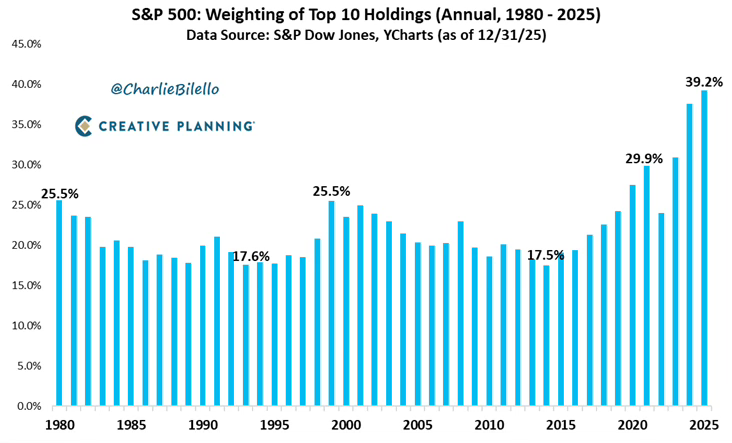
One of the most widespread and damaging misconceptions in modern finance is the systematic confusion between diversification and fragmentation. Diversification means exposing capital to different economic forces, capable of reacting differently to the same events. Fragmentation, on the other hand, means multiplying instruments without any real distinction between the underlying factors. A portfolio with ten equity funds is not necessarily more diversified than one with two: if economic variables drive them are the same, the only thing that changes is the level of apparent complexity. True diversification doesn’t occur at the product level, but at the economic function level and it’s simple but fundamental distinction that is often lost sight of. Fragmentation creates fragile portfolios because makes it difficult to understand what is really working and what is not: when everything is diluted, nothing is really under control and management becomes reactive, confused, often emotional and the investor, instead of feeling protected, feels disoriented.
This is why the idea of a portfolio built «with one hand» is not a provocation, but a choice of method. Five fingers represent five assets, a clear limit but also a natural structure. Each finger (or asset) has a different function, but it is their cooperation that makes the hand effective. Every finger counts, none is interchangeable, none works alone. Similarly, a well-constructed portfolio doesn’t need a large number of assets. It needs a few essential elements, each with a defined role, within a coherent vision. The numerical limit forces us to make choices, to give up the essential, to clarify priorities. And it is precisely discipline that makes the portfolio more strong, not more fragile.
Another factor driving portfolio fragmentation is the obsession with optimization. The idea there’s always a better combination, a more efficient asset, a more up-to-date strategy. This approach, borrowed in part from academia and in part from financial marketing, leads to a continuous review of choices, often disconnected from real changes in the investor’s objectives. Optimization means marginally improving something within a given system. But when the system is unclear, optimization becomes a futile exercise and changes are made without really knowing why. We chase efficiency and forget consistency.
The one-handed portfolio consciously renounces the idea of perfection: it doesn’t seek to be the best in every scenario, but to be good enough in all of them. This apparent renunciation is, in reality, a choice of great financial maturity. Accepting not to maximize every opportunity means drastically reducing the risk of making structural mistakes.
One of the implicit objectives of this approach is to restore the centrality of financial education as a process, not as an accumulation of knowledge. Knowing what an ETF is or how a bond works is not enough if you don’t understand the reason behind a choice within a broader structure. A portfolio built on a few pillars facilitates educational process because it allows you to really delve into how each element works. It is not about knowing everything, but about knowing what really matters. This radically changes the relationship with investment, which ceases to be hostile territory and becomes a planning tool. Over time, this understanding generates decision-making autonomy, not in the sense of doing without advice, but in the sense of actively participating in choices. Investors don’t suffer their portfolios, but experience them as an integral part of their life strategy.
Non confondere diversificazione con polverizzazione
Uno degli equivoci più diffusi e dannosi della finanza moderna è la confusione sistematica tra diversificazione e polverizzazione. Diversificare significa esporre il capitale a forze economiche differenti, capaci di reagire in modo diverso agli stessi eventi. Polverizzare, al contrario, significa moltiplicare gli strumenti senza una reale distinzione dei fattori sottostanti. Un portafoglio con dieci fondi azionari non è necessariamente più diversificato di uno con due: se le variabili economiche che li muovono sono le stesse, ciò che cambia è solo il livello di complessità apparente. La vera diversificazione non avviene a livello di prodotto, ma a livello di funzione economica, ed è questa distinzione, semplice ma fondamentale, che spesso viene persa di vista. La polverizzazione crea portafogli fragili perché rende difficile capire cosa stia davvero funzionando e cosa no: quando tutto è diluito, nulla è davvero controllabile e la gestione diventa reattiva, confusa, spesso emotiva e l’investitore, anziché sentirsi protetto, si sente disorientato.
È per questo che l’idea di un portafoglio costruito «a una mano» non è una provocazione, ma una scelta di metodo. Cinque dita rappresentano cinque asset, un limite chiaro ma anche una struttura naturale. Ogni dito (o asset) ha una funzione diversa, ma è la loro cooperazione a rendere la mano efficace. Nessun dito è superfluo, nessuno è intercambiabile, nessuno lavora da solo. Allo stesso modo, un portafoglio ben costruito non ha bisogno di un numero elevato di asset. Ha bisogno di pochi elementi essenziali, ciascuno con un ruolo definito, inseriti all’interno di una visione coerente. Il limite numerico costringe a fare scelte, a rinunciare al superfluo, a chiarire le priorità. Ed è proprio questa disciplina che rende il portafoglio più robusto, non più fragile.
Un altro elemento che spinge verso la polverizzazione dei portafogli è l’ossessione per l’ottimizzazione. L’idea che esista sempre una combinazione migliore, un asset più efficiente, una strategia più aggiornata. Questo approccio, mutuato in parte dal mondo accademico e in parte dal marketing finanziario, porta a una revisione continua delle scelte, spesso scollegata da reali cambiamenti negli obiettivi dell’investitore. Ottimizzare significa migliorare marginalmente qualcosa all’interno di un sistema dato. Ma quando il sistema non è chiaro, l’ottimizzazione diventa un esercizio sterile e si cambia senza sapere davvero perché. Si rincorre l’efficienza dimenticando la coerenza.
Il portafoglio a una mano rinuncia consapevolmente all’idea di perfezione: non cerca di essere il migliore in ogni scenario, ma di essere sufficientemente buono in tutti. Questa rinuncia apparente è, in realtà, una scelta di grande maturità finanziaria. Accettare di non massimizzare ogni opportunità significa ridurre drasticamente il rischio di commettere errori strutturali.
Uno degli obiettivi impliciti di questo approccio è restituire centralità all’educazione finanziaria intesa come processo, non come accumulo di nozioni. Sapere cosa sia un ETF o come funzioni un’obbligazione non è sufficiente se non si comprende il perché di una scelta all’interno di una struttura più ampia. Un portafoglio costruito su pochi pilastri facilita questo processo educativo perché permette di approfondire realmente il funzionamento di ciascun elemento. Non si tratta di conoscere tutto, ma di conoscere bene ciò che conta davvero. Questo cambia radicalmente il rapporto con l’investimento, che smette di essere un terreno ostile e diventa uno strumento di pianificazione. Nel tempo, questa comprensione genera autonomia decisionale, non nel senso di fare a meno della consulenza, ma nel senso di partecipare attivamente alle scelte. L’investitore non subisce il portafoglio, ma lo vive come una parte integrante della propria strategia di vita.
The four pillars of an evergreen portfolio
My vision has its roots in Harry Browne’s Permanent Portfolio theory, which is often cited but rarely understood in depth. Browne didn’t propose a magic formula or a perfect portfolio, but rather a different way of dealing with uncertainty. His basic insight was as simple as it was uncomfortable: the future is unpredictable and any strategy based on specific forecasts is inherently fragile.
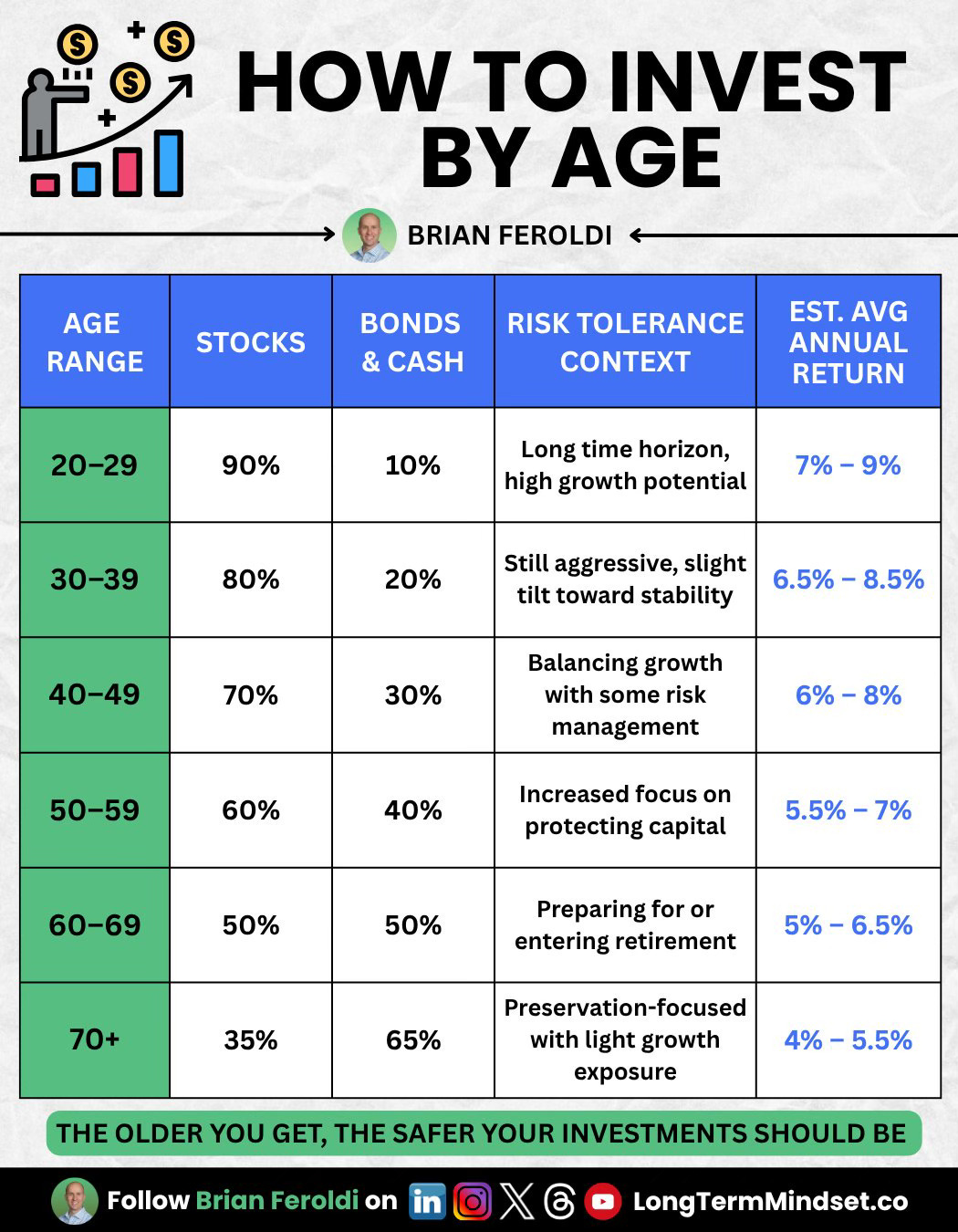
The Permanent Portfolio stems from the idea of building a structure capable of withstanding very different scenarios, without attempting to anticipate them. It is not a question of maximizing returns in a specific phase, but of maintaining functional capital over time, through economic cycles, crises, expansions and structural changes. This approach gives rise to the four fundamental pillars of informed investing:
Growth, represented by equities, that’s the engine allows capital to increase over the long term by following the development of real economy;
Protection, entrusted to high-quality bonds, has the task of stabilizing portfolio and reducing its volatility in times of stress;
Diversification, historically embodied by gold, is not a directional bet, but a form of insurance against systemic imbalances, loss of confidence in currencies and erosion of purchasing power;
Opportunity, represented by liquidity, is often underestimated, but plays a crucial role: it guarantees flexibility, the ability to intervene and room for decision-making when others are forced into inaction.
These four elements, when properly balanced, create an evergreen environment capable of adapting without losing its essence. A portfolio that doesn’t need to be reinvented with every change in scenario, but only rebalanced and kept consistent with its objectives.
I quattro pilastri di un portafoglio «evergreen»
La mia visione affonda le sue radici nella teoria del Portafoglio Permanente di Harry Browne, spesso citato ma raramente compreso nella sua profondità. Browne non proponeva una formula magica né un portafoglio perfetto, ma un modo diverso di affrontare l’incertezza. La sua intuizione di fondo era semplice quanto scomoda: il futuro è imprevedibile, e qualsiasi strategia basata su previsioni specifiche è intrinsecamente fragile.
Il Portafoglio Permanente nasce dall’idea di costruire una struttura capace di resistere a scenari molto diversi tra loro, senza la pretesa di anticiparli. Non si tratta di massimizzare il rendimento in una fase specifica, ma di mantenere il capitale funzionale nel tempo, attraversando cicli economici, crisi, espansioni e cambiamenti strutturali. Da questa impostazione derivano i quattro pilastri fondamentali dell’investimento consapevole:
Crescita, rappresentata dall’azionario, ovvero il motore che consente al capitale di aumentare nel lungo periodo seguendo lo sviluppo dell’economia reale;
Protezione, affidata all’obbligazionario di qualità, che ha il compito di stabilizzare il portafoglio e ridurne la volatilità nei momenti di stress;
Diversificazione, storicamente incarnata dall’oro, non inteso come una scommessa direzionale, ma una forma di assicurazione contro gli squilibri del sistema, contro la perdita di fiducia nelle valute e contro l’erosione del potere d’acquisto;
Opportunità, rappresentata dalla liquidità, che è spesso sottovalutata, ma svolge un ruolo cruciale: garantisce flessibilità, capacità di intervento e margine decisionale quando gli altri sono costretti all’inazione.
Questi quattro elementi, se correttamente bilanciati, creano un ambiente senza tempo, capace di adattarsi senza snaturarsi. Un portafoglio che non ha bisogno di essere reinventato a ogni cambio di scenario, ma solo riequilibrato e mantenuto coerente con i propri obiettivi.
The value of consistency over the long term
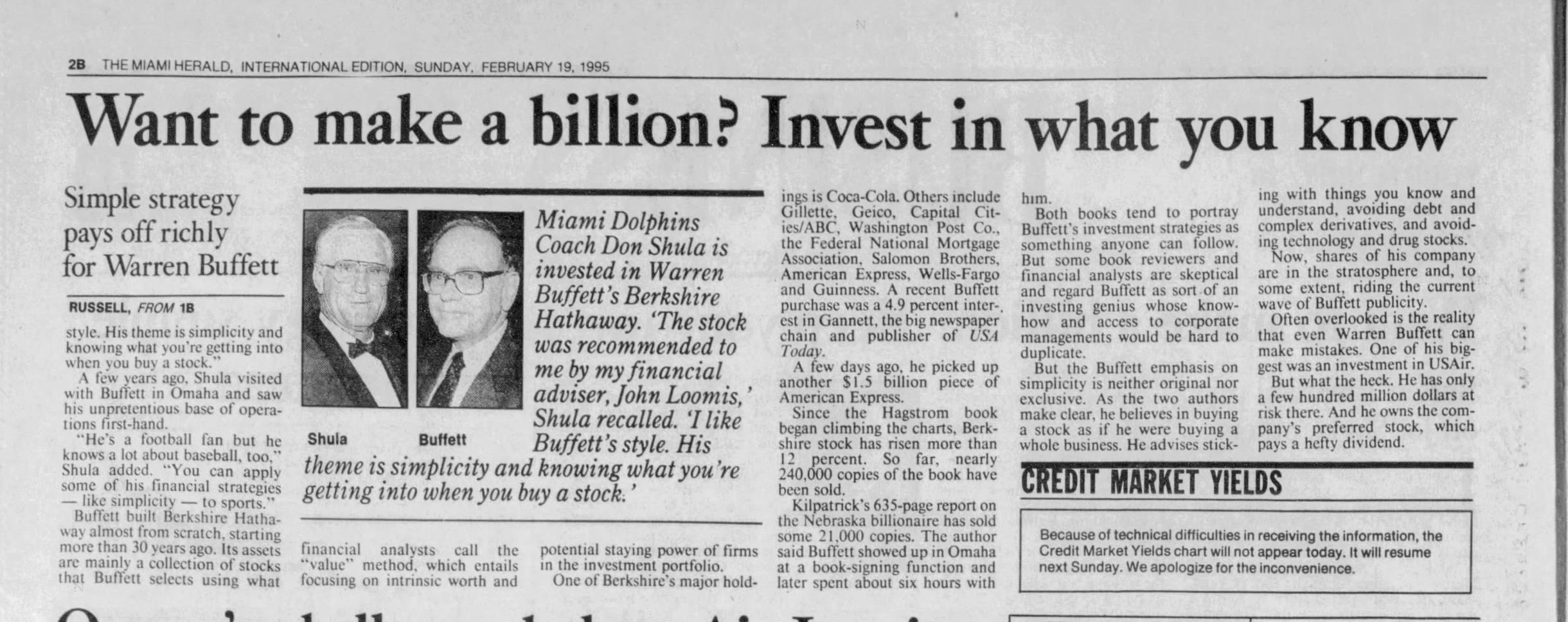
Ultimately, what determines the success of an investment strategy is not its sophistication, but its ability to be maintained over time. Consistency is an underrated quality because it doesn’t make headlines, doesn’t promise immediate results and doesn’t lend itself to exciting narratives, yet it is the real difference between those who manage to build value and those who throw it away.
A one-handed portfolio promotes this consistency because it is easy to monitor, understand and explain even years later. It doesn’t require constant adjustments, only attention and discipline; it doesn’t change identity with every market cycle, but maintains a recognizable structure. This doesn’t mean immobility, but rather conscious evolution. Weights may change, instruments may be updated, but the pillars remain. And this continuity that allows the investment to perform its primary function: to accompany over time, not to entertain in the short term.
In conclusion, it should be clear that investing is an act of planning. The metaphor of the hand is not meant to be just an image for its own sake, but a practical guide. Five fingers represent five financial assets: you don’t need anything else. Adding more doesn’t make the hand (and your financial plan) stronger, but more fancy and difficult to control. The decision to return to the essentials in a world that constantly pushes towards excess is an invitation to regain control, to restore meaning to financial choices and to build portfolios that make sense, even before performance.
Il valore della coerenza nel lungo periodo
Alla fine, ciò che determina il successo di una strategia di investimento non è la sua sofisticazione, ma la sua capacità di essere mantenuta nel tempo. La coerenza è una qualità sottovalutata perché non fa notizia, non promette risultati immediati, non si presta a narrazioni entusiasmanti, eppure è la vera discriminante tra chi riesce a costruire valore e chi lo disperde.
Un portafoglio a una mano favorisce questa coerenza perché è facile da monitorare, da comprendere e da spiegare anche a distanza di anni. Non richiede continui aggiustamenti, ma solo attenzione e disciplina; non cambia identità a ogni ciclo di mercato, ma mantiene una struttura riconoscibile. Questo non significa immobilismo, significa evoluzione consapevole. I pesi possono cambiare, gli strumenti possono essere aggiornati, ma i pilastri restano. Ed è questa continuità che permette all’investimento di svolgere la sua funzione primaria: accompagnare nel tempo, non intrattenere nel breve periodo.
In conclusione, dovrebbe essere chiaro che investire è un atto di progettazione. La metafora della mano non vuole essere solo un’immagine fine a se stessa, ma una guida pratica. Cinque dita rappresentano 5 asset finanziari: non hai bisogno d’altro. Aggiungere altro non rende la mano (e il tuo piano finanziario) più forte e robusta, ma più goffa e difficile da governare. La decisione di tornare all’essenziale in un mondo che spinge costantemente verso l’eccesso è un invito a recuperare il controllo, a ridare significato alle scelte finanziarie e a costruire portafogli che abbiano un senso, prima ancora che una performance.
I enjoyed this take on investing when there is noise around you. It is easy to misinterpret volume and commentary as signals instead of static. I’m curious how you filter noise in real time and decide what actually matters to your process. Always good to compare frameworks, and I’d be interested to hear more about how you think through that.